Key Takeaways
- Understanding civil litigation in New York is crucial for accountability.
- Civil lawsuits play a vital role in ensuring accountability for abusers.
- Organizations must recognize their responsibilities in cases of abuse.
- Abuse litigation can significantly influence policy and legislative changes.
- Victims encounter numerous obstacles when pursuing legal action.
- There are various resources available for victims contemplating legal measures.
The Role Of Civil Lawsuits In Holding Abusers And Institutions Accountable In NY | Understanding Civil Lawsuits in New York
Civil lawsuits serve as a crucial mechanism for victims seeking justice and accountability in the face of abuse in New York. The Role of Civil Lawsuits in Holding Abusers and Institutions Accountable in NY encompasses various types of litigation, including individual and class-action lawsuits aimed at addressing sexual abuse and institutional abuse. Victims can pursue redress through civil lawsuits, which are designed not only to secure damages but also to spotlight predatory behaviors and systemic failures within institutions. The New York Court of Appeals plays a significant role in interpreting laws that affect these lawsuits, including those related to domestic violence courts. By pursuing a civil lawsuit, survivors challenge abusers and compel institutions to adopt more stringent policies to prevent future violations, making the legal process an essential element in the broader fight against abuse.
The Role of Civil Lawsuits in Holding Abusers and Institutions Accountable in NY | Definition and Purpose of Civil Lawsuits
Civil lawsuits serve as a critical avenue through which victims can seek justice and accountability for abuses they have experienced. The Role of Civil Lawsuits in Holding Abusers and Institutions Accountable in NY emphasizes the importance of litigation in civil courts, allowing plaintiffs to bring forth their claims against those who have wronged them. Victims’ rights are upheld through processes like class action lawsuits, which enable a collective response to systemic issues, such as the abuse of patients in healthcare settings. Under the New York Adult Survivors Act, survivors are empowered to sue their abusers and the institutions that may have facilitated the harm.
The purpose of these lawsuits extends beyond individual compensation; they aim to foster societal change and institutional accountability. The Role of Civil Lawsuits in Holding Abusers and Institutions Accountable in NY highlights the potential of the legal system, particularly through landmark decisions from the Supreme Court of the State of New York. By suing for damages, plaintiffs not only seek redress for their suffering but also pave the way for greater awareness and reform in policies governing abuse cases. This highlights the ongoing struggle for civil justice, ensuring that abusers and negligent institutions face consequences for their actions.
Importance in the Context of Abuse Cases
Civil lawsuits serve a crucial function in the landscape of abuse cases in New York. By providing a legal framework within which victims can pursue civil claims, these actions enhance civil rights law. The Role of Civil Lawsuits in Holding Abusers and Institutions Accountable in NY empowers survivors of abuse, whether it be physical abuse, sexual misconduct, or violence in the workplace. The New York Supreme Court plays a pivotal role in adjudicating these civil cases, ensuring that justice can be sought against those who commit heinous acts, including abuse by priests and other institutional figures.
The ability for individuals to pursue civil actions often sparks broader discussions about accountability and institutional responsibility. High-profile abuse cases can lead to significant changes in both public awareness and legal standards. The U.S. Department of Justice has increasingly recognized the importance of civil lawsuits in fighting against abuse and protecting civil rights. This heightened visibility not only aids survivors in their pursuit of justice but also serves as a deterrent to potential abusers and negligent institutions.
The Role of Civil Lawsuits in Holding Abusers Accountable
Civil lawsuits serve as a critical mechanism for victims of domestic violence, assaults, and harassment to seek accountability from their abusers and the institutions that may have failed to protect them. These legal actions not only allow survivors in New York to claim damages for their suffering but also empower them to hold parties accountable under civil laws. The Role of Civil Lawsuits in Holding Abusers and Institutions Accountable in NY is vital, particularly in connection with legislation such as the Trafficking Victims Protection Act, which emphasizes justice for trafficking survivors. Victims often find that pursuing legal action can facilitate access to necessary resources, including substance abuse treatment and support services. By navigating the court of claims and other legal avenues, survivors can challenge institutional failures and advocate for change, creating a ripple effect that influences policy and strengthens protections against violence against women.
Mechanisms for Victims to Seek Justice
Victims of abuse have several mechanisms at their disposal to seek justice through civil lawsuits. The role of civil lawsuits in holding abusers and institutions accountable in NY is crucial for breaking the cycle of abuse. Civil suits can be initiated by individuals who have experienced harm, allowing them to claim damages for emotional and physical suffering. The process often includes filing a new abuse lawsuit in the trial courts, where evidence is presented, and a determination is made. As victims navigate this legal landscape, appellate courts may come into play if there are disputes over trial outcomes, ensuring there's a pathway for appeals in abuse civil cases.
Abuse lawsuits serve as a vital tool for keeping abusers accountable and prompting necessary changes within institutions. Legal mechanisms provide victims with a formal platform to voice their grievances and seek reparations. New lawsuits can influence public perception and policy, shedding light on systemic issues related to abuse. The role of civil lawsuits in holding abusers and institutions accountable in NY also encourages more survivors to come forward, reducing stigma and empowering individuals to confront their abusers. Each successful case adds to a growing body of precedent, ultimately enhancing the effectiveness of future abuse lawsuits.
Case Studies of Successful Abuse Lawsuits
The success of individual lawsuits in New York has highlighted The Role of Civil Lawsuits in Holding Abusers and Institutions Accountable in NY. A notable case involved multiple lawsuits against a well-known institution accused of covering up sexual abuse for decades. New York plaintiffs managed to secure significant settlements, illustrating how these legal battles can compel abuse institutions to confront their failures. These outcomes encourage others to step forward, knowing that their efforts can hold abusers accountable, thus fostering a culture of accountability.
Numerous lawsuits have emerged from various institutional abuse cases, leading to a shift in how society perceives and addresses abuse within organizations. One prominent institutional abuse case garnered widespread media attention, with previous lawsuits paving the way for a new lawsuit that exposed systemic issues. This has prompted calls for reform and heightened awareness of the dangers posed by legal abuse within these environments. The continued focus on sex abuse lawsuits emphasizes the necessity of civil actions in pursuing justice for victims and fostering legislative change.
Institutions and Their Responsibility
Civil lawsuits serve a critical function in the fight for abuser accountability and institutional responsibility in New York. The Role of Civil Lawsuits in Holding Abusers and Institutions Accountable in NY extends beyond individual cases, emphasizing the need for systemic change. Sexual abuse lawsuits not only bring attention to abuse claims but also compel institutions to confront their responsibilities regarding credible abuse allegations. Lawsuit details often reveal flaws in institutional practices, prompting vital discussions in lawsuit news about how to improve responses to abuse cases. The involvement of the NYS Attorney General and initiatives like the abuser accountability program underscore the legal mechanisms that support survivors in their quest for justice. Through sex abuse litigation, victims can challenge the very frameworks that have historically enabled misconduct, consequently reshaping the landscape of domestic violence courts and the overall treatment of abuse allegations.
How Civil Lawsuits Challenge Institutional Accountability
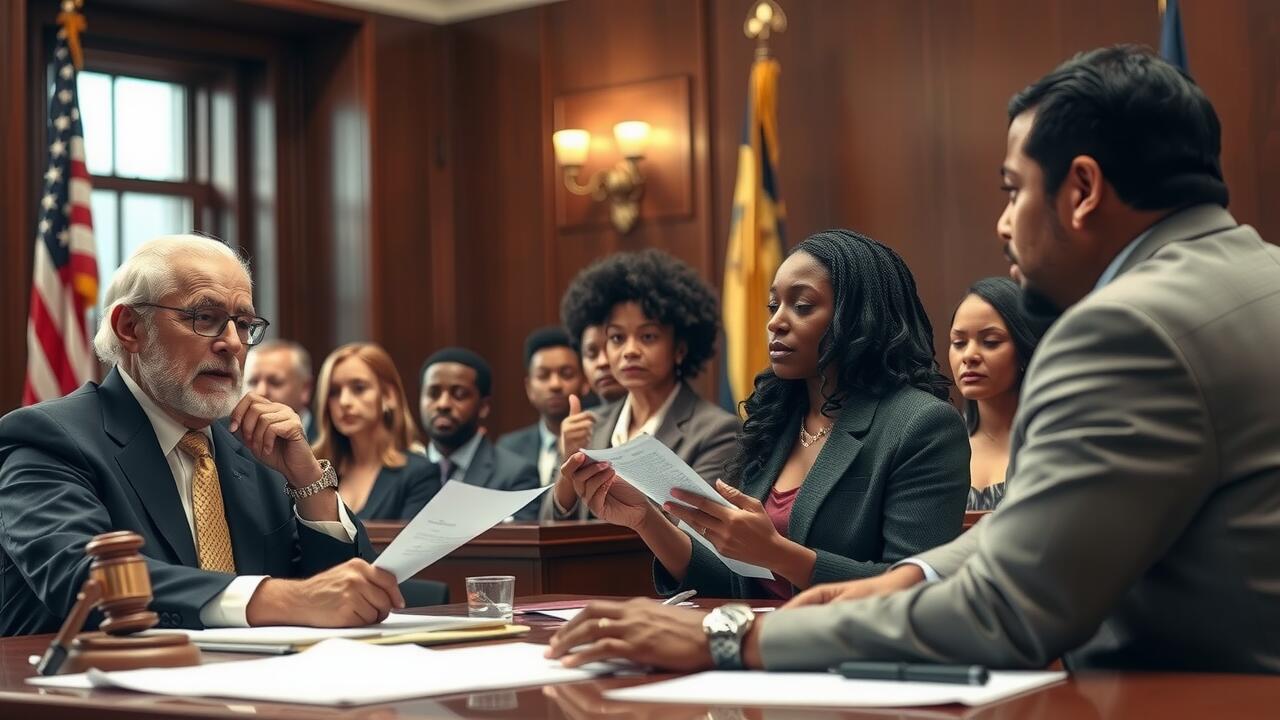
Civil lawsuits serve as a critical tool in The Role of Civil Lawsuits in Holding Abusers and Institutions Accountable in NY by providing a framework for victims to address systemic abuse. Institutions often bear responsibility for the actions of actual abusers within their ranks. Sexual assault lawsuits highlight the need for accountability, allowing victims to bring forth abuse claims against alleged abusers. Litigation attorneys, particularly sexual abuse attorneys, play a vital role in guiding survivors through this complex process, addressing both the individual actions of abusers and the broader implications of institutional neglect.
Institutions become compelled to reassess their policies and practices when faced with the prospect of a sex abuse lawsuit. This legal pressure promotes transparency and encourages domestic violence advocacy, as organizations are held accountable for their failure to protect vulnerable individuals. Each abuse claim represents an opportunity to challenge the status quo surrounding abusive actions. The Role of Civil Lawsuits in Holding Abusers and Institutions Accountable in NY reinforces the idea that victims can pursue justice, thereby fostering an environment where accountability is prioritized and systemic issues are confronted head-on.
Examples of Institutional Abuse Lawsuits in NY
Recent cases in New York illustrate the pivotal role of civil lawsuits in holding abusers and institutions accountable. Mass litigation has emerged as a crucial strategy for domestic violence victims seeking justice. This approach allows multiple individuals to bring forth their claims against both individual abusers and larger institutions that may have enabled the abuse. Civil attorneys play a vital role in navigating these complex lawsuits, often collaborating with domestic violence advocates to gather powerful evidence that supports the victims' narratives. The New York court system has seen notable cases where lawsuits have prompted significant changes in how abusive people are treated within the justice framework.
One prominent example includes a landmark lawsuit involving a well-known institution accused of failing to protect domestic violence victims. This case underscored the importance of institutional accountability and highlighted the need for reform in policies regarding abuse. Lawyers like abuse attorney Michael have taken on such cases, emphasizing the critical lawsuit points that showcase negligence and complicity. Victims seeking justice not only confront their abusers but also challenge the systemic issues that allow such behaviors to persist. The outcomes of these lawsuits significantly impact public awareness and legislative changes, promoting stronger protections against abuse in New York.
The Impact of Abuse Lawsuits on Policy and Legislation
The increasing number of civil lawsuits has significantly influenced policy and legislation concerning domestic abuse cases in New York. These lawsuits often expose the systemic failures of institutions, like the New York dioceses, to protect victims from abusers and hold domestic violence offenders accountable. High-profile cases, especially those involving out-of-state abuse and egregious acts of violence, have prompted lawmakers to evaluate existing protections. The Role of Civil Lawsuits in Holding Abusers and Institutions Accountable in NY lays bare the inadequacies within legal frameworks, leading to the development of more robust domestic abuse intervention strategies. As sexual abuse lawyers champion the rights of survivors, the actions of nys defenders in these trials contribute to shaping public discourse on domestic violence crimes. Such actions not only seek justice for individual victims but also aim to instigate comprehensive changes to prevent future abuses.
Legislative Changes Triggered by High-Profile Cases
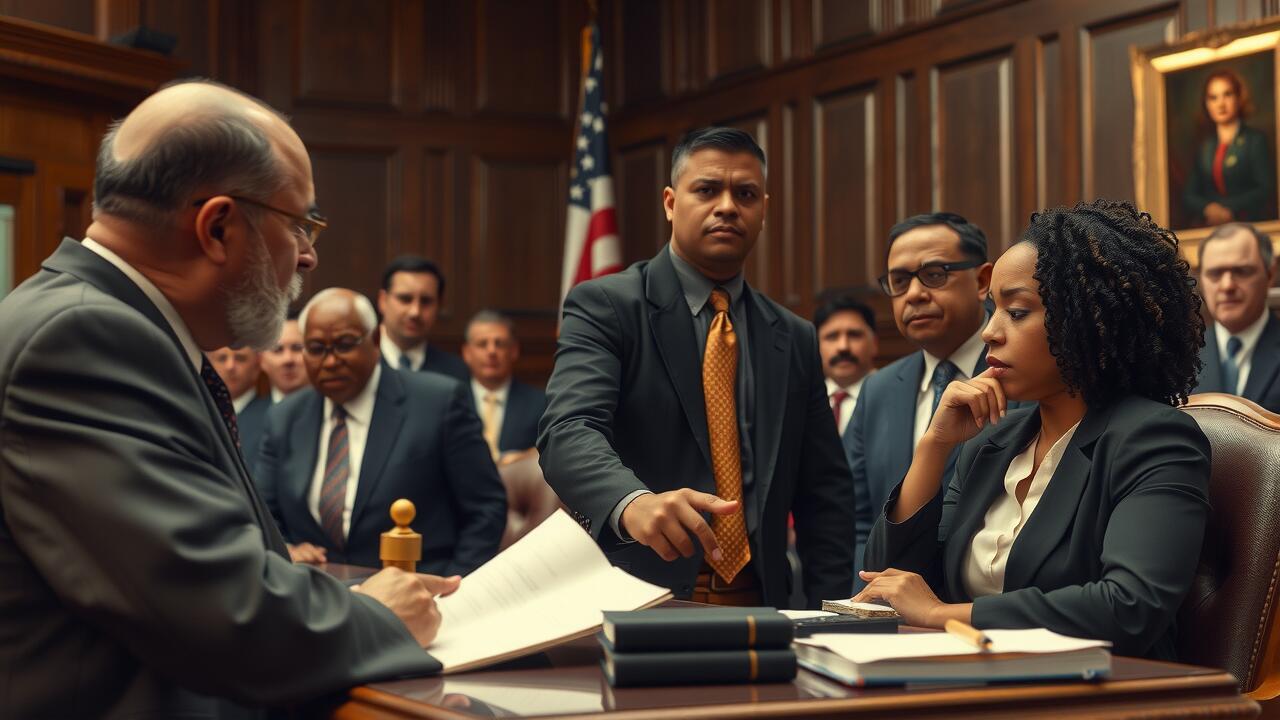
High-profile cases have often acted as catalysts for significant legislative changes aimed at enhancing the protections available to victims of real abuse in New York. The Role of Civil Lawsuits in Holding Abusers and Institutions Accountable in NY underscores the necessity for comprehensive reforms in the legal framework. Such reforms may include the establishment of a victims protection act and adjustments to the litigation process, allowing greater access to justice for domestic violence victims. Effective collaboration between sex abuse lawyers and domestic violence agencies plays a crucial role in advocating these changes, promoting both awareness and accountability for those that perpetrate such abuses.
Legislative updates often emerge from public outcry following high-profile abuse cases, illustrating how societal pressures can influence legal reforms. Recent initiatives have focused on enhancing domestic violence/batterer accountability and reinforcing the rights of victims through the victims act. New York attorneys engaged in legal advocacy have been pivotal in pushing for these reforms, ensuring that the legal system evolves to better serve those impacted by domestic violence. Such changes reflect a commitment to addressing systemic issues and improving supportive measures for survivors as they navigate the challenges of the legal landscape.
Advocacy for Stronger Protections against Abuse
Victim advocacy groups have played a crucial role in highlighting the need for stronger protections against abuse in New York. Through various initiatives, they emphasize the importance of the civil court system as a means to address past abuses and support victims in their pursuit of justice. The Role of Civil Lawsuits in Holding Abusers and Institutions Accountable in NY serves as a pivotal aspect of achieving meaningful changes in the legal landscape. The introduction of new york law that expands the statute of limitations for civil claims related to alleged abuse empowers NYC child victims to report abuse that may have previously gone unaddressed.
Stronger legal protections are necessary to address the challenges faced by survivors of horrific abuse and domestic abuse. Changes in legislation can create a more supportive environment for those pursuing a sexual assault lawsuit against their abusers. By facilitating access to justice for plaintiffs who allege similar abuses, lawmakers can help ensure that victims feel safe and supported in their efforts to report abuse. The Role of Civil Lawsuits in Holding Abusers and Institutions Accountable in NY ultimately underscores the necessity of continuous advocacy for legal reforms that protect the rights and dignity of survivors.
The Challenges Faced in Abuse Lawsuits
Navigating the legal landscape of abuse lawsuits presents numerous challenges for survivors, significantly impacting The Role of Civil Lawsuits in Holding Abusers and Institutions Accountable in NY. The complexities of proving claims against sexual abuse institutions often require survivors to present extensive evidence, which can be overwhelmingly daunting. Many victims face hurdles related to state violence, inadequate victim advocacy offices, and legal misrepresentation by civil rights litigators. The psychological toll of recounting traumatic experiences in verbal abuse cases can deter survivors from pursuing justice against prolific abusers and abusive partners who may still pose risks of future abuse. Domestic violence programs provide essential support, yet many survivors remain unsure about how to effectively navigate their options for seeking justice and accountability.
Legal Hurdles for Victims
Victims of abuse often face significant legal hurdles that can impede their pursuit of justice. The Role of Civil Lawsuits in Holding Abusers and Institutions Accountable in NY aims to provide a pathway for legal recourse, yet many survivors encounter obstacles such as strict statutes of limitations and the complexities of proving abusive behavior. Domestic violence treatment frameworks sometimes do not adequately prepare victims for the litigation process. Access to respected attorneys who specialize in violence and sexual assault cases is crucial. Without knowledgeable case attorneys, survivors may struggle to navigate the legal landscape effectively.
The emotional toll on sexual abuse victims is compounded by the challenges of confronting their abusers in court. Those seeking justice for clergy abuse or institutional misconduct must often gather extensive evidence and testimonies, which can be a daunting task. Successful plaintiffs may face intimidation or disbelief, further deterring individuals from bringing forward their claims. The Role of Civil Lawsuits in Holding Abusers and Institutions Accountable in NY serves to empower victims, but the road to justice remains fraught with difficulties that require both resilience and robust legal support.
- Victims often encounter strict statutes of limitations that restrict their ability to file claims.
- The complexities of proving abuse can create additional barriers to justice.
- Lack of preparation in domestic violence treatment can leave victims vulnerable during litigation.
- Finding qualified attorneys experienced in violence and sexual assault cases is essential for navigating legal challenges.
- Emotional distress from facing abusers in court can hinder a victim's ability to participate in legal proceedings.
- Gathering extensive evidence and testimonies required for clergy abuse or institutional misconduct cases can be overwhelming.
- Victims may face intimidation or disbelief, which can deter them from pursuing their claims.
The Emotional Toll on Survivors
Survivors of abuse often face profound emotional turmoil as they navigate the legal landscape. The psychological impacts can be as debilitating as the physical scars left by abusive relationships. The pursuit of justice through civil lawsuits plays a crucial role in addressing these emotional challenges. Many survivors grapple with the fear that institutional negligence will shield abusers from accountability. The Role of Civil Lawsuits in Holding Abusers and Institutions Accountable in NY allows them to confront their past and demand justice. This process can be an important step in breaking the cycle of silence that often surrounds domestic violence issues.
Despite the potential for legal action to empower survivors, the emotional toll can be overwhelming. The burden of reliving traumatic experiences in court can feel insurmountable. Survivors seeking to sue may find themselves wrestling with anxiety and doubt. Additionally, the complexities surrounding institutional liability may add layers of stress. Support from domestic violence programs and advocacy groups is essential in this context. They provide survivors with the tools needed to address the major reasons abuse flourishes, helping them to reclaim their agency and work towards healing.
Resources for Victims Considering Legal Action
For domestic violence survivors contemplating legal action, understanding The Role of Civil Lawsuits in Holding Abusers and Institutions Accountable in NY is crucial. Survivors face numerous challenges, including discovery abuses that may obstruct the pursuit of justice. Engaging with domestic violence service organizations can provide essential support and guidance throughout the legal process. Legal advocates can help survivors navigate the complexities of civil claims, ensuring courts treat their cases with the seriousness they deserve. Awareness of potential per-plaintiff payout amounts can also inform decisions about pursuing action. The intersection of domestic violence intervention and criminal justice involvement highlights the importance of a supportive community for victims as they seek accountability against abusive behavior.
- Seek assistance from local domestic violence organizations for legal resources and support.
- Consult with a legal advocate who specializes in domestic violence cases.
- Gather documentation of abuse, including police reports, medical records, and witness statements.
- Explore available legal options, such as protection orders and civil lawsuits.
- Be aware of state-specific laws regarding statutes of limitations for filing claims.
- Connect with support groups for emotional support during the legal process.
- Research the financial implications of legal action, including potential costs and payouts.
Conclusion
The Role of Civil Lawsuits in Holding Abusers and Institutions Accountable in NY serves as a crucial mechanism for victims seeking justice against their abusers, particularly in cases of physical abuse and domestic violence. Abusive partners often evade consequences within the criminal justice system, prompting numerous attorneys to advocate for a robust legal response through civil suits. These lawsuits not only empower sexual abuse claimants but also help implement restorative justice practices that promote healing. By challenging both individual perpetrators and institutional negligence, such legal actions create pathways for community violence reduction and enhance domestic violence prevention measures. Ultimately, civil lawsuits play a significant role in reshaping accountability, ensuring that abusers and the institutions that enable them face the repercussions of their actions.
FAQS
What is the purpose of civil lawsuits in cases of abuse in New York?
Civil lawsuits serve to hold abusers and institutions accountable for their actions, providing victims with a means to seek justice, financial compensation, and public acknowledgment of their suffering.
How do civil lawsuits differ from criminal cases in New York?
Civil lawsuits are initiated by individuals seeking compensation or justice, while criminal cases are brought by the state to prosecute offenders for breaking the law. The burden of proof is also lower in civil cases than in criminal cases.
What challenges do victims face when pursuing civil lawsuits for abuse?
Victims may encounter legal hurdles such as statutes of limitations, difficulty gathering evidence, emotional trauma, and the potential for re-traumatization during the legal process.
Can civil lawsuits lead to changes in policies or legislation regarding abuse?
Yes, successful civil lawsuits can raise public awareness about abuse issues and often lead to advocacy for stronger protections and reforms in policies or legislation to prevent future abuse.
What resources are available for victims considering legal action against abusers or institutions?
Victims can access various resources, including legal aid organizations, victim advocacy groups, and mental health services, to help them navigate the legal process and provide support throughout their journey.
How can survivors of domestic violence in New York pursue legal action against their abusers through civil lawsuits?
Survivors in New York can hold abusers accountable by suing under the New York trial courts, which allows abuse claims—while connecting to the Violence Against Women Act. Many abusers face serious legal challenges from plaintiffs who allege abuse is a major reason abuse continues unchecked. The civil rights department can assist survivors in navigating these challenges, particularly in cases of workplace abuse or credible clergy abuse. It’s essential for victims in domestic violence contexts to recognize that civil lawsuits provide a means for justice when traditional criminal justice professionals may fail to address their plight.
What steps can survivors of domestic violence in New York take to ensure their abuser is held accountable through lawsuits?
Survivors can sue their abusers in New York by filing civil lawsuits that hold them accountable for their actions. Under the Violence Against Women Act, a plaintiff alleges that the abuser engaged in domestic violence or sexual assault. However, survivors of domestic violence often face challenges, especially in proving their cases against abusive partners. It's essential for victims to seek guidance from a domestic violence prosecutor familiar with the legal landscape. Additionally, survivors may need to gather evidence to support their abuse claims as they navigate the complexities of the legal system in New York.
What can survivors do if they believe they have been subjected to domestic violence in New York and wish to sue their abuser?
Survivors can pursue legal action in New York by filing civil lawsuits against their abuser. It is crucial for them to understand the violence/sexual assault cases laws in NY, which can help hold abusers accountable. Survivors need to consider the challenges they may face in the domestic violence community and gather evidence to support their claims. By taking these steps, survivors can actively engage in the process to sue their abuser and seek justice for the abuse they endured.
What challenges do survivors of domestic violence in New York face when they want to sue their abusers under the violence act?
Survivors of abuse need to navigate various legal challenges when they wish to pursue lawsuits against their abusers in New York. The process can be complicated, as they may encounter issues related to proving the abuse, gathering evidence, and understanding the laws that govern civil lawsuits. Additionally, survivors may experience emotional barriers when confronting their abusive partners and the trauma associated with the violence act, making it crucial for them to seek support and legal guidance. It is important for survivors to know their rights and the resources available to help them hold their abusers accountable.
In New York, what legal options do survivors of abuse have to take action against their abusers and hold them accountable through lawsuits?
In New York, survivors of abuse can pursue legal action by filing civil lawsuits against their abusers to hold them accountable. The process allows victims to sue their abusers for damages and seek justice under relevant laws. However, challenges may arise when navigating legal procedures, especially if survivors face threats or intimidation from their abusive partners. Understanding these challenges is crucial for survivors as they seek to assert their rights in the legal system.
How can survivors in New York prepare for challenges when they plan to sue their abuser under the violence act?
Survivors in New York who wish to sue their abuser should be aware of the challenges they might face. To pursue action under the violence act, it's crucial to gather evidence of the abuse and understand the legal processes involved. Survivors should also seek support from organizations that assist victims of abuse, as they can provide resources and guidance. Being informed about how the legal system works in NY and knowing their rights can empower survivors to hold their abuser accountable through lawsuits.
What options are available for survivors in New York to sue their abuser if they accuse them of abuse, and what challenges might they face in the process?
Survivors in New York who wish to sue their abuser have several options under the law. They can pursue civil lawsuits for damages resulting from the abuse, allowing them to hold their abuser accountable. However, victims often face challenges such as emotional distress, the need to present clear evidence of the abuse, and the possibility of encountering abusive partners who might retaliate or contest the claims aggressively. It's essential for survivors to prepare for these challenges and seek legal assistance to navigate the complexities of the lawsuits in NY.
What legal measures can be taken by survivors in New York when they accuse their abuser to ensure they can pursue lawsuits effectively?
In New York, survivors who wish to pursue lawsuits against their abusers have various legal measures at their disposal, including filing a civil lawsuit under the applicable violence act. However, they may face challenges such as gathering evidence and navigating the legal system. It is important for survivors to understand their options, as these lawsuits can be a critical way for victims to hold their abusive partners accountable for their actions.
What are the challenges that survivors in New York face when they decide to sue their abusers and how can they effectively navigate these challenges?
Survivors who decide to sue their abusers in New York may encounter several challenges during the process. They might face emotional trauma, legal complexities, and the need for evidence to support their claims under the act of lawsuits. Survivors should be aware that abusers often retaliate, creating additional difficulties. To effectively navigate these challenges, it is crucial for victims to seek assistance from legal professionals who understand the laws regarding abuse and can help them pursue their options for justice. By building a strong support system and being prepared for the challenges that may arise, survivors can better position themselves to hold their abusers accountable.
What options do survivors in New York have if they want to pursue lawsuits against abusive partners and how can they navigate the challenges if they accuse them of abuse?
Survivors in New York who wish to sue their abusers under the violence act can consider various legal options and should be aware of potential challenges. They can initiate civil lawsuits, which can help hold abusers accountable for their actions. However, victims often face significant challenges, such as emotional distress and the burden of proof when they accuse their abusers. It’s essential for survivors to seek legal assistance to effectively navigate these complexities and strengthen their case against abusive partners.